



Blog / Category: App Store Optimization. Autor: Alex Vereshchagin. / A Guide to ASO Services: From Audit to Ongoing Support

A Guide to ASO Services: From Audit to Ongoing Support

13 min.
27.Jun.2025

Every app eventually reaches a stage where growth in the app stores becomes essential. If you’re just starting out with ASO and figuring out which service to choose, it’s important to understand what kind of goals and outcomes are relevant for you. This article breaks down the main types of ASO services, what they offer, and what results you can expect — in simple terms, without the jargon. Let’s start with the basics.

ASO (App Store Optimization) is a set of actions designed to improve your app’s page on the App Store, Google Play, and other app stores. The main goal is to boost visibility in search results, increase conversions from page views to installs, and attract the right audience. To make ASO work, you need to choose the right text metadata (like the app title, description, and keywords) and create strong visuals (like the icon, screenshots, and preview video) that convince users to pick your app over competitors.

ASO can be roughly divided into two parts:

  • Text optimization focuses on working with your app’s metadata — title, short and full descriptions, subtitle, keywords, and other fields. The goal is to make the app more relevant to user search queries and improve its ranking in search results
  • Visual optimization includes creating and testing graphic elements like the app icon, screenshots, and preview video. Strong visuals help your app stand out in search results and boost its install potential. For example, well-designed icons and screenshots can significantly improve your app’s conversion rate.

Text optimization helps users find your app in search results, while visual optimization makes them want to install it. If your app ranks in the top 5 but doesn’t look as appealing as competitors, users will likely skip it — and you could quickly drop from 5th place to 50th.

However, for long-term results, it’s important to adopt a comprehensive approach — not just working on text and visuals, but also on reviews, app rating, user retention, and bug fixing. All these aspects need to be addressed together, otherwise your investments in marketing and PR won’t deliver the desired outcome.

Example of when an app needs text optimization:

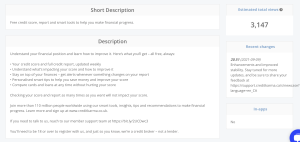
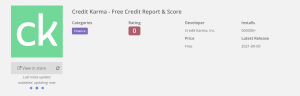
  • The last release was in 2021 — the metadata hasn’t been updated in a long time
  • The title exceeds the 30-character limit and includes a duplicate keyword: “Credit”
  • A prohibited keyword, “Free,” is used — it isn’t indexed on Google Play
  • The short description also repeats the keyword “Credit” and contains “Free”
  • If the developers plan to return to the product, the metadata will need a full rewrite
 

Example of when an app needs visual optimization:

  • Headlines are too long — 3–4 lines of text make it harder to read
  • Screenshots mostly show the interface but don’t highlight the app’s key benefits
  • Not enough strong visual hooks — nothing that grabs users’ attention while scrolling through search results
  • The overall design feels cluttered, and the layout lacks visual balance
 

Example of when text optimization isn’t needed:

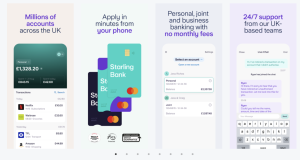
  • The title is well-structured and includes two relevant keywords — “bank” and “banking”
  • The name is readable and properly segmented
  • The subtitle is concise, memorable, and supports the brand’s positioning

It could be adjusted to include more keywords if needed, but even in its current form, it meets the standards for large-scale apps.
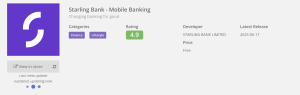
 

It’s important to note that the absence of obvious flaws doesn’t mean you can stop working on your metadata. Even well-crafted text fields need regular review and updates.

Example of when visual optimization isn’t necessary:

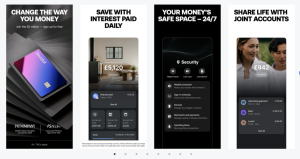
  • Screenshots follow a consistent style
  • Each one highlights key benefits — security, savings, and shared access
  • Text is clear and to the point, with important UI elements shown in bright, high-contrast colors
  • This approach works especially well for image-driven brands that want to communicate product value, not just functionality

With that said, even if your visuals look better than your competitors’, it doesn’t guarantee high conversion rates. It’s important to keep testing new ideas, tracking app performance, and adjusting your design as needed.
 

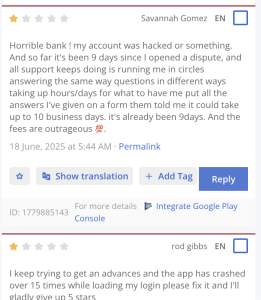
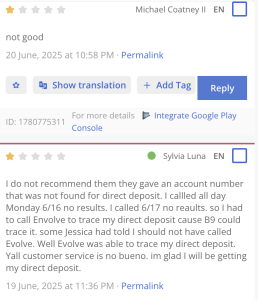
In addition to text and visual optimization, effective ASO includes managing user ratings and reviews. Both the quantity and quality of feedback directly affect your app’s ranking in search results. Ongoing support is also essential — from regular performance tracking and adapting to algorithm changes to running A/B tests.

It’s important to remember that ASO isn’t a one-time task — it’s a continuous process. Consistent optimization, timely updates, and hypothesis testing will help your app grow steadily through organic installs.
Achieve growth with our expertise and unique tools

Let’s connect

Popular types of ASO services

The right ASO service depends on your app and current goals. Below are four key areas worth considering when working on ASO:

  • Text ASO (metadata). This includes keyword research and analysis, as well as optimization of the Title, Short & Full Descriptions, Subtitle, and the Keywords field. The main goal is to maximize your app’s relevance and improve its search ranking. The process typically starts with competitor analysis, building a semantic core, and then refining the metadata. Keep in mind: when you invest in this service, you’re not just getting “new copy” — you’re getting a well-thought-out expert strategy. Sometimes only minor tweaks are needed, while in other cases, even the brand name may need to be reconsidered (especially if it lacks recognition). Done right, text optimization can significantly boost organic traffic — especially in competitive niches.
  • Visual ASO. This ASO service focuses on the design — the app icon, screenshots, promo videos, and other visual elements on the store page. This service includes competitor analysis, creating a design brief, support during the creative process, and generating A/B testing ideas. Professional ASO designers know how to highlight an app’s key strengths, improve how the interface is perceived, and boost the click-through rate. A bold, eye-catching visual stands out and helps drive installs.
  • ASO audit. A full analysis of your app store page’s current state. It’s usually the first step before launching ASO projects or when facing growth issues — like a sudden drop in search rankings. The audit includes a review of all metadata, keyword analysis, rating and review assessment, visibility checks, and a visual and conversion rate review. The result is a detailed report with clear recommendations: which keywords to add, what UI elements to tweak, which reviews to respond to. The outcome of the ASO audit is a practical roadmap for growth.
  • Ongoing ASO support. As mentioned earlier, ASO isn’t a one-time task. After the initial optimization, it’s important to keep the project on track — monitoring results, updating metadata when needed, and running A/B tests as new ideas come up. Many agencies offer monthly ASO support contracts. Ongoing support becomes especially valuable during OS updates or when the competitive landscape in the stores shifts.

How to choose the right ASO service for your app

The best ASO service for your app depends on your current performance and the challenges you’re facing. Here are a few key factors to help you decide:

Text optimization is a good idea if:

  • Your app has low organic traffic
  • It ranks poorly for relevant keywords
  • The metadata is outdated or incomplete

If your app appears below competitors for key search queries and your title doesn’t include relevant keywords, it’s a clear sign that text optimization is needed.

Quick checklist for when text optimization is needed:

  • The character count is far below the field limit (<30 characters)
  • The app uses a random mix of keywords (Cool RPG Stalker games)
  • The app uses high-frequency keywords (Interesting app for free)
  • There are spelling or grammar mistakes (Deting App)
  • No localization (Dating app in the UAE)
  • The text includes too many stop words

Visual optimization is a good idea if:

  • Your app has a low conversion rate from page views to installs (CTR). You can spot this by comparing your numbers with industry benchmarks. If your CTR is much lower than average or lower than similar apps, your visuals may be turning users away. This usually shows up as a low install rate despite a high number of views. 
  • Your design looks outdated or doesn’t clearly showcase your app’s functionality. If your screenshots are overloaded with text or fail to display the interface properly, it’s time to refresh your visuals — both the screenshots and app icon. Based on analysts’ insights, a clean, modern icon consistently boosts CTR.

Quick checklist for when visual optimization is needed:

  • Low conversion rate from page views to installs (CTR)
  • Screenshots aren’t localized
  • Competitors’ visuals look more appealing
  • Text style across screenshots is inconsistent
  • Too much text or too many small design elements
  • Excessive empty space in the visuals
  • Icon doesn’t reflect the app’s purpose or functionality
  • The visuals don’t stand out and lack strong visual hooks

An ASO audit is a good idea if:

  • You’re not sure where to start with optimization
  • There’s been a sudden drop in rankings or installs
  • Major changes are planned (rebranding, entering new markets)

A sudden decline in performance can be caused by ASO issues or technical problems like crashes or poor retention. An audit helps you separate marketing issues from technical ones and understand where to focus your efforts. We recommend running an audit at least once per quarter — especially during major changes.

Quick checklist for when an ASO audit is needed:

  • You’re planning to enter new markets
  • Your app is getting ready for its first release
  • There’s no progress after conducting ASO on your own
  • You need a competitor analysis for your target markets
  • A promotion strategy needs to be developed
  • You suspect issues with your current ASO approach
  • You want to track and evaluate the results of recent changes

Ongoing ASO support is a good idea if: 

  • You’re aiming for steady growth and understand that ASO is an ongoing process. If you don’t have the internal resources — or want expert help — monthly support might be the right move. In this format, a team handles regular updates for keywords, seasonal trends, news agenda, and A/B tests. This approach is especially relevant for large-scale projects: without continuous ASO iterations, it’s tough to stay ahead of competitors and maintain a good position in the store rankings.

Quick checklist for when ongoing ASO support is needed:

  • You don’t have an in-house ASO team
  • You’re looking for an all-in-one solution
  • You don’t have time to manage ASO on your own
  • You lack the resources to track trends
  • Your DIY optimization isn’t delivering results
  • You don’t have a clear promotion strategy
  • You’re unsure about the quality of your localization
  • You don’t know how to plan iterations or A/B tests

Real-life examples:

  • Taxi services. Major players like Uber or Yandex Go enjoy high brand recognition and get a large share of installs from branded searches. Still, they actively invest in ASO — optimizing descriptions, localizing metadata, and adapting visuals for new markets to avoid missing out on additional traffic. Local services usually face a different challenge. Poor keyword strategy often means they don’t appear in relevant search results and attract very few installs. In such cases, text optimization becomes essential — including deep semantic research and crafting a competitive title and subtitle. If the visuals are also weak (e.g., screenshots don’t show the interface), visual optimization is needed too. An ASO audit is useful when the app is stable but not growing — it helps pinpoint which metrics are underperforming and why. Finally, if you’re planning to launch in a new region — especially one with a different cultural context — ongoing support is crucial to adapt ASO for the local market.
  • Dating apps. The situation is similar here. Market leaders like Tinder, Badoo, and Mamba are well-known and often found through branded searches. Still, even top apps need to maintain their presence — updating screenshots for new features and monitoring reviews regularly. Newcomers face a tougher path. Niche apps — for example, a dating app focused on serious relationships or finding like-minded people — typically have no branded traffic at the start. Without a strong ASO strategy, they risk staying invisible. In this case, a full ASO audit is a must. It helps identify both strengths and weaknesses of the app page. From there, the next steps are in-depth semantic research, keyword strategy refinement, and strong visual optimization (icon, screenshots, and previews).

What’s holding your ASO back

Even with active ASO efforts, you might not see the results you expect if the app itself has critical issues. Here are some of the most common reasons ASO performance drops:

Low ratings and negative reviews. The average app rating impacts both your search ranking and user trust. If your rating drops below 4.0, app stores may push your app lower in search results, and your conversion rate can take a serious hit. It’s important to address negative reviews quickly and fix the issues users point out. A timely response and genuine attention often lead to users updating their rating for the better.


  • Crashes and poor stability. Frequent bugs, crashes, and performance issues can lead to significant traffic loss. Research shows that high crash rates and uninstall rates negatively affect ASO — app stores flag these apps as low quality and start pushing them down in search results. If many users uninstall an app shortly after downloading or report frequent bugs, ranking algorithms treat it as a red flag. That’s why it’s important to make sure your app is technically stable before you start working on ASO.
  • Poor visuals. An unappealing icon, irrelevant screenshots, or an outdated preview video can hurt your click-through rate and make a poor first impression. Even with strong text optimization, visuals remain a key factor in the install decision. Your design should not only look good but also highlight your app’s core benefits.
  • Outdated keywords. App store algorithms and search trends are constantly evolving — and so are user queries. If you haven’t updated your keyword pool in several months, there’s a good chance it no longer reflects what your audience is actually searching for. This is especially important with semantic search coming to the App Store — keeping your metadata up to date is more critical than ever.
  • Lack of localization. If your app is available in multiple languages but isn’t optimized for them, you’re missing out on a large portion of potential traffic. Localization isn’t just about translating text — it’s about adapting your copy, visuals, and messages to match the cultural and behavioral expectations of your target audience.
  • No A/B testing or analytics. If you update metadata and visuals based on guesswork, without testing hypotheses or analyzing data, the results can be unpredictable. Today’s A/B testing tools let you measure the performance of every element on your app page — from icons and screenshots to text. Without ongoing iterations, you’re missing out on valuable opportunities to boost your conversion rate.

ASO is one of the key tools for driving organic growth. To understand what actions your app needs, start by analyzing current metrics: rating, search rankings, conversion rate, and user reviews. If there’s a clear issue — low CTR, poor keyword rankings, or a sudden drop in installs — it’s time to choose the ASO service that fits your current needs: text or visual optimization, or a full audit.

If you’re not sure where to start, go for an ASO audit. It will help you identify weak points, build a strategy, and set clear priorities. Ongoing support ensures a more structured approach, allows you to track key metrics, and adapt to store changes as they come.

When choosing a provider, look for the teams that provide a transparent service structure. Reliable agencies always outline what’s included in each package. Use analytics, benchmarks, and A/B testing to make data-driven decisions — that’s how ASO becomes a real driver of your app’s growth.

Written by

Alex Vereshchagin ASO Lead alexv@angletech.ai The ASO Lead at Angle Agency specializes in mobile app optimization for international markets, with expertise in East Asia and Austronesia. Consults on app development, lectures at Asodesk Academy, and has authored books with Ves’, IPIO, and Eksmo since 2016. Outside of work, enjoys composing music, hosting a podcast on learning the Indonesian language, reading, subtitling, and dubbing Indonesian films, and video production. All articles by author

Also read: